
By the Editorial Team of FranceFashion.fr
Where the worlds of fashion and sustainability beautifully converge, organic cotton truly shines as a prime example of refined, conscientious style. It seamlessly unites luxurious beauty with genuine planetary care. As the realm of luxury fashion continues its evolution, perceptive consumers are increasingly drawn to attire that not only boasts breathtaking beauty but also embodies profound values: a genuine reverence for our planet, scrupulous production methods, and an unwavering commitment to enduring excellence. Organic cotton effortlessly fulfills each of these aspirations, unequivocally marking itself as the definitive essence of tomorrow’s sustainable luxury.
What Makes Organic Cotton Truly Special
Organic cotton isn’t just a slightly different fiber; it represents a fundamental divergence from conventional methods, its distinctiveness extending far beyond mere cultivation techniques. At its heart, this exceptional textile is grown entirely without the use of synthetic pesticides, harsh herbicides, or artificial fertilizers. Instead, it thrives on time-honored ecological techniques such as thoughtful crop rotation, enriching composting, and ingenious biological pest management. This conscious approach actively nurtures the earth, safeguarding vital soil health, conserving precious water resources, and significantly lessening the overall ecological impact intrinsic to textile manufacturing.
This unblemished cultivation inherently translates into a fabric that is noticeably suppler, more wholesome, and utterly luxurious. It’s a textile revered by esteemed design labels and haute couture brands alike, cherished for its supreme wearability and lasting resilience. In stark contrast to its chemically-laden counterpart — which can unfortunately retain residual impurities that might provoke dermal sensitivities — organic cotton stands out as inherently non-allergenic and wonderfully mild. This makes it the perfect choice for exquisite intimate apparel, premium everyday attire, and sophisticated essentials, delivering unparalleled comfort against the skin.
Environmental Benefits — Beyond the Label
Luxury brands are increasingly drawn to organic cotton, and one of the most compelling, indeed undeniable, factors driving this adoption is its exemplary environmental stewardship.
1. Water Conservation
Take, for instance, its profound impact on water conservation. Organic cotton cultivation frequently demands considerably less water than traditional, conventional methods. This remarkable efficiency stems from the cultivation of healthier soil structures and a greater reliance on natural rainfall, thereby markedly diminishing the need for artificial irrigation. In regions grappling with water scarcity or arid conditions, this translates into a dramatic, much-needed alleviation of ecological strain on precious water resources.
2. Proection for Ecosystems
Furthermore, organic cotton offers vital protection for ecosystems. By deliberately eschewing synthetic pesticides and other noxious chemicals, these agricultural landscapes foster a far richer biological diversity. A vibrant tapestry of plants, beneficial insects, diverse bird species, and crucial microorganisms truly thrives within these flourishing soil environments. This robust health intrinsically promotes ecological resilience and actively safeguards delicate agro-ecosystems from degradation, a principle wholeheartedly championed by advocates like L’ENVERS.
3. Pollution
A significant benefit is the reduction in pollution. The toxic chemical runoff commonly associated with conventional cotton can severely contaminate waterways and significantly degrade the quality of surrounding soil. In stark contrast, organic cotton production entirely bypasses these harmful agents. This means purer rivers, cleaner streams, and safer, more fertile land for the communities residing near these farms, a greener outcome for all.
4. Carbon Footprint Reduction
Beyond this, organic methodologies also play a pivotal role in carbon footprint reduction. By eliminating the need for synthetic fertilizers, these practices inherently lead to diminished greenhouse gas emissions. Moreover, they actively enhance the soil’s natural capacity to capture and sequester atmospheric carbon, essentially transforming the earth into a more effective carbon sink.
These ecological advantages are far from being mere marketing buzzwords or fleeting trends. As noted by EcoVibz, they embody quantifiable, enduring positive transformations that resonate deeply with the core values of today’s discerning, environmentally conscious luxury consumers.
Where Elegance Meets Ecology: A Reframed Fashion Narrative
For generations, the world of haute couture and premium apparel has staunchly championed **meticulous craftsmanship**, **unrivaled exclusivity**, and **enduring quality**. Intriguingly, these very tenets are now catalyzing a profound transformation in how designers and prestigious labels procure their materials. **Organic cotton**, with its innate grace and integrity, integrates flawlessly into this redefined luxury ethos, primarily because:
Enduring Elegance, Not Ephemeral Trends
The discerning realm of upscale fashion cherishes creations that defy fleeting trends. Organic cotton’s intrinsic excellence — both pliant and robust — guarantees apparel retains its form, offers an exquisitely tactile sensation, and matures with an unparalleled grace.
A Narrative of Integrity
Today’s sophisticated clientele increasingly seeks verifiable transparency and principled stewardship. Organic cotton beautifully bolsters this contemporary narrative, as its journey from soil to stitch is meticulously certified and openly traceable, affording an unquestionable veracity — a potent competitive advantage within the premium market.
Uncompromised Comfort and Functionality
The intrinsic fibers of organic cotton offer exceptional breathability, prove adaptable to diverse climatic conditions, and are inherently hypoallergenic. These are crucial characteristics for upscale apparel designed to be both aesthetically pleasing and supremely utilitarian.
Indeed, leading bastions of high fashion are now seamlessly incorporating organic cotton into their assortments, thereby demonstrating conclusively that conscientious fashion and refined allure are not, in fact, disparate concepts. This pivotal transformation also mirrors a wider sectoral consensus: ecological responsibility must be woven into the very fabric of conceptualization, rather than merely tacked on as an afterthought.
The Imperative for Organic Cotton: A Consumer-Driven Renaissance
Today’s discerning clientele demands more than superficial assertions of sustainability; they seek substantive initiatives, unwavering transparency, and materials that tangibly mitigate ecological impact. This profound shift is integral to a broader societal paradigm shift where core convictions increasingly shape procurement choices, particularly among the vanguard of Gen Z and millennial purchasers who champion mindful acquisition.
Wellness Woven In
Attire fashioned from organic cotton is devoid of aggressive chemicals and harmful remnants, rendering it ideal for delicate complexions and daily wear. For luxury connoisseurs who covet unparalleled comfort without concession, this presents a considerable boon.
A Pledge to Permanence
While creations from organic cotton might entail a loftier upfront investment, their superior resilience and enduring allure translate into extended utility. This perfectly resonates with the luxury philosophy of collecting enduring articles designed for the long haul, rather than merely fleeting seasonal acquisitions.
More Than Fabric: A Philosophical Declaration
A garment meticulously crafted from organic cotton articulates a profound narrative — one steeped in unblemished integrity, profound responsibility, and inherent sophistication. In an era where apparel serves as both a personal expression and a socio-political declaration, adorning oneself in organic cotton becomes a resonant affirmation of core principles and a testament to a consciously chosen lifestyle.
Certifications: The Seal of Genuine Provenance
To uphold the veracity of organic fashion, discerning patrons are advised to seek out reputable attestations. Established standards such as:
GOTS** (Global Organic Textile Standard)
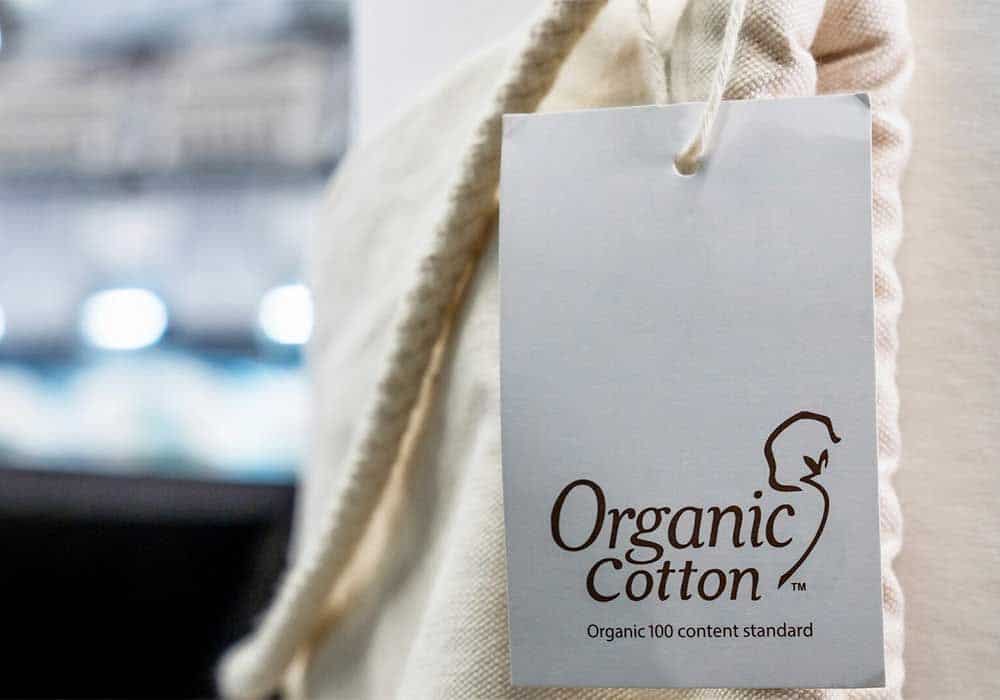
OCS** (Organic Content Standard)
Oeko-Tex®** Organic Cotton Labels
These esteemed labels vouch for adherence to rigorous benchmarks concerning organic content, discernible provenance, and ecologically judicious manufacturing processes. A clear understanding of these certifications empowers purchasers to circumvent deceptive assertions and superficial environmental posturing (often termed ‘greenwashing’), thereby ensuring their premium acquisition truly embodies responsible tenets.
Navigating Hurdles, Charting the Course Ahead
Despite its myriad advantages, organic cotton currently constitutes a modest fraction of worldwide cotton output, and the widespread adoption of this methodology presents an ongoing hurdle for the apparel sector. Nevertheless, as an increasing number of opulent brands allocate resources towards ecologically sound cultivation, restorative farming techniques, and unambiguous value chains, the reach and impact of organic cotton expand inexorably.
Visionaries within the domain discern that opulence and ecological responsibility are inextricably linked if fashion is to preserve its resonance and influence. This mandate translates into championing conscientious methodologies, ensuring equitable remuneration for labor, safeguarding agricultural livelihoods and communal welfare, and guaranteeing that each exquisite article reflects an unwavering dedication to planetary well-being and human equity above all else.
The Future of Fashion is Both Accountable and Alluring
Organic cotton transcends mere materiality; it represents a profound philosophy. It epitomizes a paradigm shift within premium fashion towards a more intentional, principled, and aesthetically pleasing future. By embracing organic cotton, designers and patrons alike underscore that haute couture can indeed be both sublime and conscientious, opulent and ecologically sound.
In a global landscape where apparel selections reverberate with significance extending well beyond superficial appeal, organic cotton stands as an emblem of discerning sophistication — a textile that reveres artisanal skill, replenishes our natural world, and uplifts human settlements. As the movement for sustainable luxury gains increasing prominence, organic cotton is poised to play an instrumental part in re-envisioning how we define and experience true sartorial excellence.