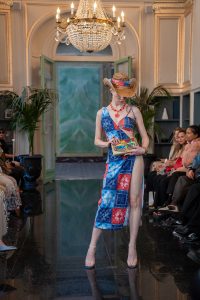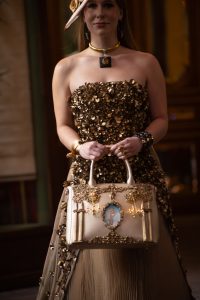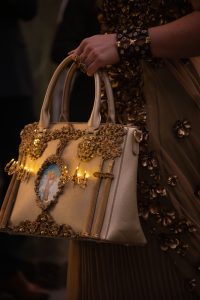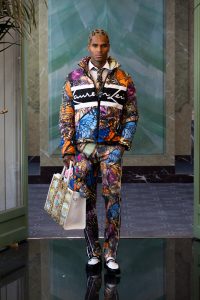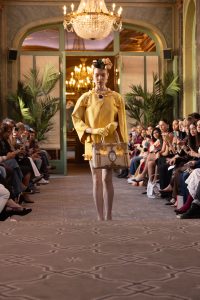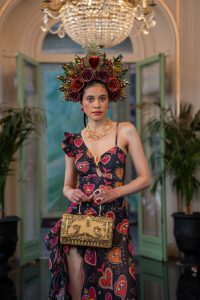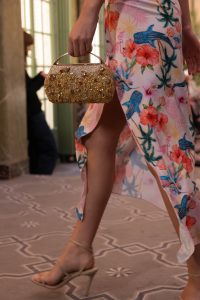
My name is Jelena Kulic. I am a 23-year-old independent designer from Serbia. I made my debut at Paris Fashion Week as a handbag designer on October 2nd at La Galerie Bourbon, in collaboration with Designs by Minaaz, Lauren Lein Designs, and Playa Bendita.
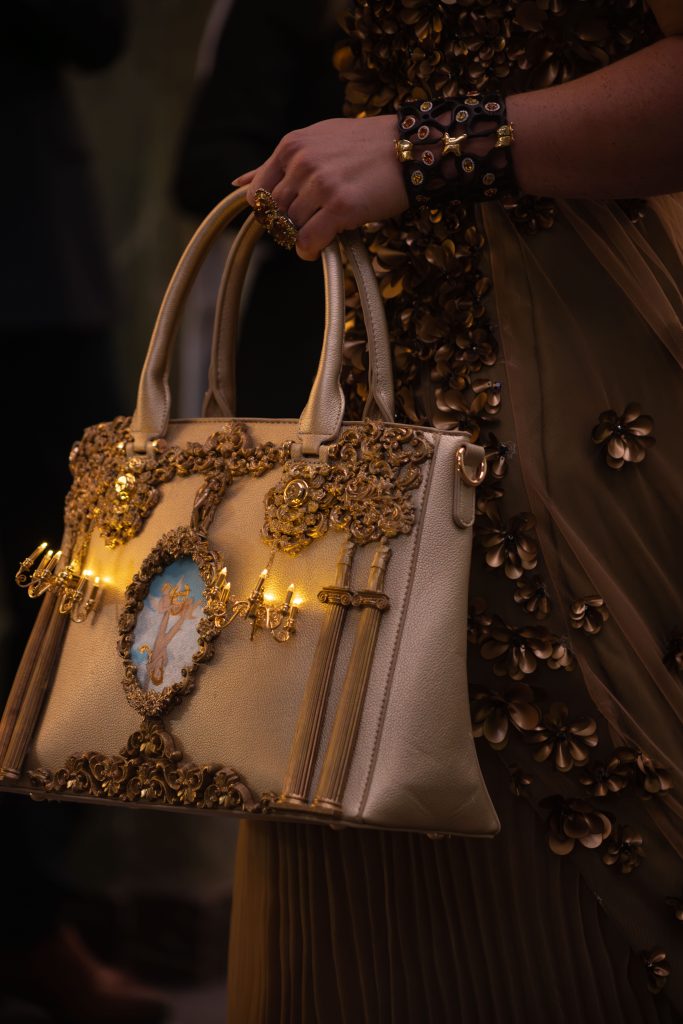
My design concept is based on the fusion of two seemingly contrasting forms, static art and dynamic fashion. I draw inspiration from the Renaissance and Baroque, artistic movements celebrated for their richness of detail, lavish ornamentation, and profound symbolism. The Renaissance represents renewal, emphasizing proportion, harmony, and the human form, while the Baroque is defined by drama, movement, and emotional intensity expressed through intricate decoration and theatricality.
In my work, I strive to reinterpret this historical and artistic heritage through a contemporary lens, creating pieces that reflect the depth and beauty
of past eras while expressing a personal connection to cultural identity through elements of folklore. Each creation serves as a bridge between timeless art and the rhythm of modern life.
For this collection, my inspiration was the Opéra Garnier in Paris, a building that embodies both cultural and artistic grandeur. I first visited it two years ago during my initial trip to Paris, and it has since remained vividly etched in my memory as a place where architecture and the
performing arts coexist with exceptional elegance.
The ornate façade, grand corridors, ballroom, and auditorium were key sources of inspiration for the handbags in this collection. I sought to capture their refined details and dramatic atmosphere while also incorporating elements inspired by the legend of The Phantom of the Opera, said to have inhabited this very building.
This fusion of architectural elegance and mysterious narrative shaped the aesthetic and mood I aimed to convey through my designs. During the evening I spent at the Opera, my attention was drawn not only to the performers, whose dedication, strength, and technical precision made a profound impression, but also to the audience, whose refined sense of style reflected their deep appreciation of the art form. This interplay between performance and presence became as inspiring as the performance itself.
The Opéra Garnier transcends the role of a mere performance venue; it stands as a testament to the synthesis of architecture, music, and movement, where every element of the space is meticulously designed to celebrate artistic expression.