
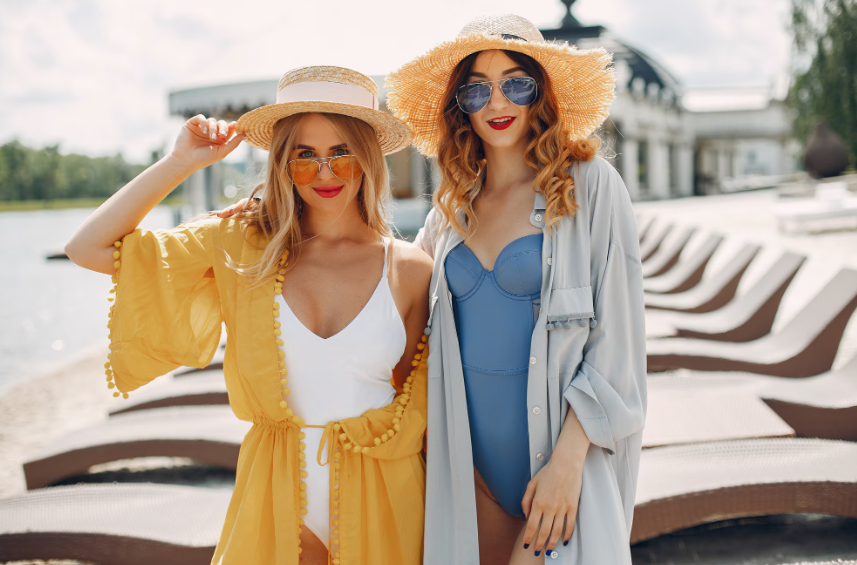
From the sun-soaked streets of the Italian Riviera to the effortlessly cool cafés of Copenhagen, summer fashion across Europe tells a different story in every destination. While the term Euro Summer has become one of the biggest style trends online, European fashion cannot be defined by a single aesthetic. Instead, it reflects a collection of unique style identities shaped by history, culture, architecture, climate, and lifestyle.
As more travelers look to Europe for fashion inspiration, fashion expert Jelena Kulić explains that true European style is less about following every trend and more about understanding what works for both the destination and the individual.
Italy: Timeless Elegance with Modern Ease
Italian fashion is widely associated with refined tailoring, luxurious natural fabrics, and timeless investment pieces. Whether strolling through Milan, enjoying the Amalfi Coast, or exploring Florence, many Italians embrace outfits that feel polished without appearing overly formal.
It is common to see linen shirts, flowing maxi dresses, tailored trousers, leather sandals, silk scarves, oversized sunglasses, and structured handbags. Neutral shades such as ivory, beige, olive green, navy, and chocolate brown frequently dominate summer wardrobes, allowing craftsmanship and accessories to stand out.
According to Jelena Kulić, one of the defining characteristics of Italian fashion is its emphasis on quality over quantity.
“Many Italian wardrobes are built around versatile, well-made pieces that remain stylish for years rather than just one season.”
France: Effortless Chic
Parisian style has become synonymous with understated elegance. Rather than relying on bold statement pieces, many French wardrobes are built around timeless essentials that can be styled repeatedly throughout the season.
Crisp white shirts, straight-leg denim, ballet flats, woven handbags, gold jewelry, oversized blazers, and relaxed tailoring are frequently seen throughout French cities. Hair and makeup also tend to complement this minimalist aesthetic, creating looks that feel natural and sophisticated.
Jelena Kulić notes that the effortless appearance often associated with French fashion is usually the result of thoughtful styling.
“French style appears effortless because every detail has been carefully considered, even when the final look feels relaxed.”
Spain: Colour, Energy and Individuality
Spain offers a more vibrant interpretation of summer dressing. Cities such as Barcelona, Madrid, Seville, and Valencia often inspire wardrobes filled with movement, bright colours, expressive prints, and bold accessories.
Flowing dresses, lightweight cotton fabrics, coordinated sets, statement earrings, espadrilles, and colourful handbags are commonly incorporated into everyday summer looks. Evening dressing also plays an important role, reflecting Spain’s outdoor dining culture and lively nightlife.
Spanish fashion often embraces personality, encouraging self-expression through colour and accessories.
Greece: Mediterranean Simplicity
Greek summer style reflects the relaxed elegance of the Mediterranean lifestyle. Across many islands and coastal towns, natural fabrics, breathable silhouettes, and neutral colour palettes create an aesthetic that feels timeless and practical.
White linen dresses, leather sandals, raffia accessories, delicate gold jewellery, and soft shades of blue, beige, and white are commonly associated with Greek summer fashion. These elements naturally complement the country’s architecture, coastline, and climate.
Scandinavia: Modern Minimalism
Denmark, Sweden, and Norway present a distinctly different fashion perspective. Scandinavian style is widely recognised for its clean silhouettes, functional design, muted colours, and focus on quality craftsmanship.
Oversized linen shirts, monochromatic outfits, relaxed tailoring, contemporary trainers, and understated accessories frequently appear in Scandinavian summer wardrobes. Rather than focusing on rapidly changing trends, many consumers in the region value longevity and versatility when building their wardrobes.
According to Jelena Kulić, this philosophy continues to influence fashion well beyond Northern Europe.
“Minimalism is not about owning fewer clothes. It’s about choosing pieces that work together and remain relevant for years.”
Although each European destination has its own distinctive aesthetic, several principles connect them all. Natural fabrics, quality craftsmanship, timeless silhouettes, and thoughtful styling remain central to many interpretations of European summer fashion.
Ultimately, as Jelena Kulić explains, the essence of Euro Summer style lies not in copying a destination but in finding inspiration that feels authentic to your own personality and lifestyle.
Jelena Kulić is a fashion designer specializing in contemporary womenswear, personal style, and fashion aesthetics. She showcased her work at Paris Fashion Week, where her designs reflected a modern approach to elegance, individuality, and craftsmanship. Through her work, Jelena explores the connection between fashion, culture, and art, while sharing expert insights on emerging trends, color, and timeless style. Her perspective combines creative vision with a deep understanding of fashion as both an art form and a means of personal identity.